Volkswagen cooling systems are designed to keep the engine within a very specific temperature range. When everything is working correctly, coolant circulates through the engine, radiator, heater core, thermostat, and water pump without the driver having to think about it.
Once a thermostat starts sticking, a water pump develops a leak, or a plastic cooling-system housing begins to fail, the symptoms can change quickly. You might notice weak heat one day and a coolant warning the next. On a VW, we watch for small changes early because overheating can turn a manageable cooling-system repair into engine damage.
The Thermostat Controls More Than Engine Warm-Up
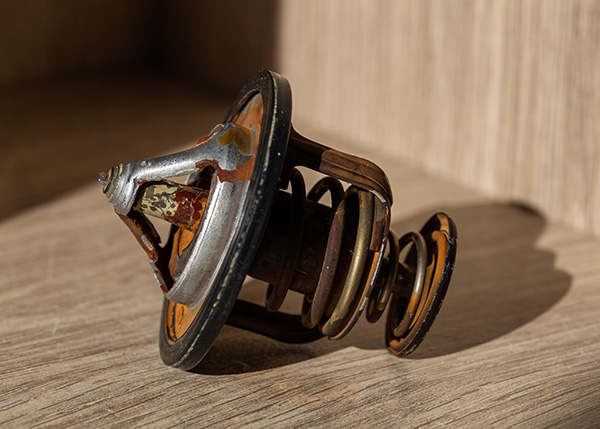
The thermostat regulates coolant flow between the engine and radiator. When the engine is cold, it helps the engine reach operating temperature efficiently. Once the coolant gets hot enough, the thermostat opens so heat can move through the radiator.
A thermostat that sticks open can cause slow warm-up, weak cabin heat, or an engine that runs cooler than intended. A thermostat that sticks closed is much more serious because coolant cannot circulate through the radiator properly. That can make engine temperature climb quickly, especially during longer drives or under heavier load.
VW Water Pumps Deserve Close Attention
Many Volkswagen engines use water pumps that are tightly integrated into the cooling system, and some designs combine the pump with a thermostat housing or other plastic components. Heat cycles and age can eventually lead to seepage, cracking, or internal pump problems.
At our shop, we look for dried coolant residue, active leaks, bearing noise where applicable, and temperature behavior that points toward poor circulation. A water pump does not have to pour coolant onto the ground to be failing. Some leaks start small and leave only a crusty residue around the housing before coolant loss becomes noticeable.
Plastic Cooling-System Parts Can Become Brittle With Age
Volkswagen cooling systems often use plastic housings, fittings, flanges, and quick-connect hose ends. Those parts save weight and package neatly into tight engine compartments, but years of heat eventually make plastic harder and more brittle.
A connection can seep for months, then crack farther after another heat cycle or during unrelated service. We do not like replacing one obviously failed piece without looking at the surrounding parts. If several connections are the same age, an inspection can tell us whether the rest of the system still looks solid or whether another weak point is developing nearby.
Small Coolant Leaks Should Not Be Ignored
A slightly low coolant level can seem harmless if the engine still runs at normal temperature, but the system is losing fluid for a reason. Coolant can escape from the water pump, thermostat housing, radiator, reservoir, hoses, heater circuit, or a number of smaller connections.
Repeatedly topping off the reservoir without finding the source is not a repair. As the level drops, air can enter the system and circulation can become less consistent. If your VW keeps asking for coolant, develops a sweet smell after driving, or leaves pink or white residue around cooling-system parts, we want to find the leak before the next long drive.
Air Trapped in the System Can Affect Heat and Cooling
After cooling-system repairs, the system needs to be filled correctly so air does not remain trapped inside. Air pockets can interfere with coolant circulation and can also cause poor heater performance or unstable temperature readings.
If the heater suddenly blows cold after a repair, the coolant level keeps changing, or you hear gurgling behind the dashboard, the system deserves another look. We check coolant level when the engine is cold and make sure the system has been bled according to the procedure for that specific VW. Correct filling is part of the repair, not an optional final step.
Watch for Early Signs Before the Engine Overheats
A temperature warning is not the only clue that something is wrong. VW cooling-system problems can show up as weak heat, a cooling fan that runs unusually hard, coolant odor, visible residue, or a reservoir level that keeps dropping.
Regular maintenance makes these changes easier to catch because we can compare coolant condition and level from one visit to the next. If the temperature gauge rises above its normal position, the coolant warning comes on, or steam appears, stop driving and shut the engine down safely. Continuing to run an overheating engine can damage the head gasket, cylinder head, or other internal parts.
Do Not Replace the Thermostat Based on One Symptom
A VW that warms up slowly can have a thermostat problem, but poor cabin heat can also come from low coolant, a restricted heater core, air in the system, or HVAC control problems. Likewise, overheating does not automatically mean the thermostat is stuck closed.
We diagnose the complete cooling system before recommending parts. That can include checking coolant temperature data, pressure-testing for leaks, verifying fan operation, and looking at circulation behavior. The goal is to repair the failed part instead of installing a thermostat just because it's a common cooling-system component.
Get Volkswagen Cooling System Service In Oregon, With Portland Motor Works
If your Volkswagen is losing coolant, warming up slowly, running hot, or showing signs of thermostat or water pump trouble, Portland Motor Works can inspect the cooling system at its Portland, OR, or Redmond, OR, location.
Schedule a cooling-system service before a small leak or temperature-control problem turns into an overheating repair.