Posted on 9/25/2026

Volkswagen cooling systems are designed to keep the engine within a very specific temperature range. When everything is working correctly, coolant circulates through the engine, radiator, heater core, thermostat, and water pump without the driver having to think about it. Once a thermostat starts sticking, a water pump develops a leak, or a plastic cooling-system housing begins to fail, the symptoms can change quickly. You might notice weak heat one day and a coolant warning the next. On a VW, we watch for small changes early because overheating can turn a manageable cooling-system repair into engine damage. The Thermostat Controls More Than Engine Warm-Up The thermostat regulates coolant flow between the engine and radiator. When the engine is cold, it helps the engine reach operating temperature efficiently. Once the coolant gets hot enough, the thermostat opens so heat can move through the radiator. A thermostat that sticks open can cause slow warm-up, weak cabi ... read more
Posted on 8/28/2026
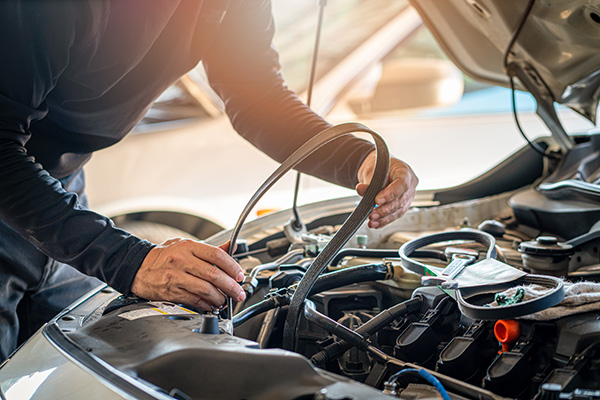
Audi vehicles use advanced engine management, turbocharging, all-wheel-drive systems, electronic controls, and tightly integrated cooling and lubrication systems. When one of these systems develops a problem, the vehicle may continue driving normally at first while a warning light, fluid leak, vibration, or unusual sound provides the earliest indication. Responding quickly can prevent a smaller fault from affecting expensive components. These five warning signs deserve professional testing, especially when they appear repeatedly, worsen under load, or occur together with reduced performance. 1. A Flashing Check Engine Light A steady check engine light indicates that the engine control system has detected a fault. A flashing light is more urgent because it usually points to an active misfire severe enough to send unburned fuel into the exhaust. That fuel can overheat and damage the catalytic converter. Common causes include worn spark plugs, weak ignition coils, inj ... read more
Posted on 7/31/2026

An Audi SUV may handle daily driving, family trips, bad weather, and highway miles like any other utility vehicle, but the service behind it is not always the same as basic car maintenance. These vehicles combine German engineering, turbocharged engines, advanced electronics, heavier SUV weight, and all-wheel-drive systems that require proper attention. That does not mean Audi SUV maintenance has to be mysterious. It means the details matter. The correct oil, fluids, diagnostic process, tire care, brake service, and suspension checks can make a big difference in how the vehicle ages and how many surprise repairs show up later. Audi Engines Need The Correct Oil And Service Schedule Many Audi SUVs use turbocharged engines, and turbochargers are hard on oil. The oil has to protect internal engine parts while also cooling and lubricating a turbo that spins at extremely high speed. Using the wrong oil or stretching oil changes too far can increase wear, sludge, timing pr ... read more
Posted on 6/26/2026

Mini Coopers are fun cars, but they are not built like every other small vehicle on the road. They have tight engine bays, specific service needs, and systems that can be sensitive to the wrong repair approach. A shop that treats a Mini like a basic compact car can miss details that make the difference between a clean repair and a repeat visit. That is why specialized Mini Cooper repair can change the entire service experience. The car is looked at by someone who understands the patterns, common failure points, and how these vehicles behave as they age. Mini Cooper Problems Have Their Own Patterns Every vehicle has common wear points, but Mini Coopers have a few that keep popping up. Oil leaks, coolant leaks, timing chain noise, turbocharger concerns, clutch wear, suspension noise, and electrical warnings are all familiar issues on many models. Some are small when caught early. Others can grow quickly if they are treated like routine problems. A technician who work ... read more
Posted on 5/29/2026

The BMW X3 M50 offers a blend of power, comfort, and everyday practicality that makes performance SUVs so appealing. It feels refined enough for commuting, but still has the stronger response and sharper feel many BMW owners expect. That combination is exactly why maintenance needs to be handled with more care than a basic SUV. As mileage accumulates, minor service delays can begin to affect expensive systems. Knowing what to watch for helps you protect the vehicle, avoid unnecessary repair costs, and keep the X3 M50 feeling like the performance SUV it was built to be. Why the BMW X3 M50 Needs Consistent Service Performance SUVs work harder than many drivers realize. The engine, transmission, brakes, cooling system, tires, and suspension all handle more heat, weight, and load than those in smaller vehicles. The X3 M50 may feel effortless from the driver’s seat, but the systems underneath are constantly managing that demand. Consistent service helps keep those ... read more