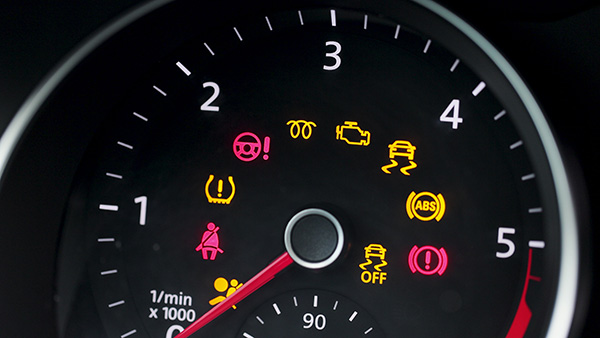
A MINI Cooper can stay enjoyable to drive while a small warning develops in the background. A little coolant loss, a new hesitation, or an occasional weak start can be easy to postpone when the car still feels lively on the road.
The useful question is what changed from your MINI's normal behavior. These five warning patterns deserve a closer look, with the urgency depending on the symptom. MINI models and engines differ, so don't assume a problem from one generation applies to every car.
1. MINI Coolant Loss Or A Temperature Warning
Repeatedly topping up coolant is a reason to inspect the cooling system, even when there is no puddle. A hose, fitting, pump, or other component may seep only when warm or under pressure. Dried residue or a sweet smell after parking can provide clues that a quick driveway check misses.
Check the level only under the conditions specified in the owner's manual, generally with the system cool. If the car displays an overheating warning, stop safely and shut the engine off as instructed. Do not open a hot coolant cap. Finding the cause of coolant loss early is far easier than dealing with damage after overheating.
2. MINI Oil Loss Or An Oil Pressure Warning
Check for oil around the engine, a burning-oil smell, or a level that keeps dropping. The source may be an external leak or internal oil consumption. The pattern of level changes and where residue appears can guide the inspection, but neither proves the cause on its own.
An oil-pressure warning is a different concern from a routine oil-level reminder. If low pressure is indicated, stop safely and turn the engine off rather than continue driving to see whether the light clears. Follow the vehicle's instructions and arrange assistance. A normal-looking oil level does not establish that oil pressure is adequate.
3. MINI Hesitation, Misfire, Or Changing Engine Response
A stumble during acceleration, rough idle, or noticeable loss of power can come from several systems. Ignition, fuel delivery, air leaks, and other engine-control faults can create similar sensations. On applicable models, boost-related problems may also need checking, but the badge or engine family does not identify the failed part.
Tell us whether the hesitation appears cold, once warm, or under load. Stored faults and operating data help connect that pattern with testing. If the check engine light flashes or the engine shakes severely, stop driving and arrange help, because continued operation can cause further damage. Replacing parts from a common-problems list is not a substitute for confirming the fault.
4. MINI Starting Trouble Or Repeated Electrical Warnings
A weak crank or a car that needs repeated jumps can make the battery seem like the whole problem. It may be worn out, but charging faults, cable resistance, or electricity used while parked can also leave it low. Multiple warnings can sometimes appear when the vehicle's voltage is unstable.
The battery and charging system should be checked together. Mention recent jumps, long periods parked, and any added accessories. The replacement battery must meet the vehicle's requirements, with registration or setup where specified. Otherwise, replacing the battery may only give an unresolved electrical problem a fresh supply of stored power.
5. MINI Brake Or Steering Changes
A new pull, clunk, grinding sound, or pedal change deserves inspection even if the MINI still feels easy to drive. Brake and suspension complaints can overlap. For example, a wheel shifting under load may change braking feel without the brake pads being the main cause.
Tell us whether the change appears during a stop, a turn, or over bumps. A soft brake pedal, loss of braking, sudden steering instability, or severe new noise is a reason to stop using the vehicle and arrange assistance. A quiet ride on smooth pavement does not rule out wear that becomes important when the wheel is loaded differently.
MINI Warning Patterns Help Narrow The Inspection
The timing of a symptom is often more useful than the first guess about its cause. A noise only at startup, a hesitation only on a hill, or a warning after the car sits overnight each gives the technician a different starting point. Photos of messages and recent service records can help too.
Avoid clearing warning information before the appointment unless you need to. Stored details may remain useful after the light goes out. A clear description lets the inspection follow what changed in your car rather than assume it shares every repair need of another MINI.
Regular MINI Maintenance Can Catch Changes Earlier
Scheduled service lets you check fluid levels, visible leaks, tire wear, and protective boots before a symptom becomes constant. It also keeps a record of what was serviced and when. That history makes it easier to distinguish a newly developing problem from work already completed.
Maintenance cannot guarantee it will prevent every failure, but it gives you more chances to catch wear early while you can still plan the repair. Once a new warning appears, have it checked based on its severity instead of waiting for the next service just because the car still feels comfortable to drive.
Get MINI Repair In Portland And Redmond, OR, With Portland Motor Works
If your MINI has a new warning, fluid loss, or a change in how it drives, Portland Motor Works in Portland and Redmond, OR, can inspect the concern and explain the repair based on the findings.
Contact us to schedule a MINI inspection before a small change becomes a larger problem.